5 Real Estate Trends Shaping Nigeria in 2025: Building Higher While Affordability Sinks Lower
Posted on 28/08/2025 1:47 PM | by NaijaHouses
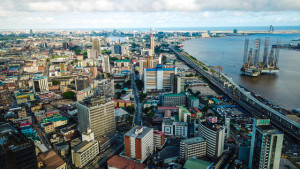
Nigeria’s skyline is rising, but for many citizens, the dream of homeownership is slipping further out of reach. While luxury estates and smart cities continue to dominate the headlines, students and young workers are still crammed into overcrowded apartments or even sleeping in shops as rents climb beyond their income.
Here are the five biggest trends shaping Nigeria’s real estate market in 2025 - and what they mean for investors, developers, and everyday Nigerians.
1. Affordable Housing: The Biggest Need, Still Out of Reach
Nigeria faces a housing deficit in the millions. Developers are increasingly marketing “affordable” estates, often with payment plans starting as low as ₦250,000 as an initial deposit.
But the reality is that for many Nigerians, especially young professionals earning ₦70,000 – ₦150,000 a month, these homes are far from affordable. Rent in major cities like Lagos and Abuja now consumes two to three times the average monthly salary, pushing many into co-renting or makeshift living arrangements.
The demand is clear: genuinely affordable housing solutions and sustainable ownership systems. Until then, “affordable” remains a buzzword more than a reality.
2. Smart Cities and PropTech Are Rising - But For Whom?
Technology is rapidly changing real estate. Virtual site tours, AI-driven Automated Valuation Models (AVMs), and digital land documentation are becoming mainstream. Ambitious projects like Eko Atlantic City and Isimi Lagos showcase what tech-powered living can look like.
But here’s the catch: these innovations largely serve the elite. If Nigeria is to tackle its housing crisis, PropTech must extend beyond glossy brochures and luxury estates. Digitized land verification, flexible payment platforms, and tech-driven cooperatives could unlock access for the middle and lower classes.
3. Satellite Towns: The New Hotspots
With city centers overcrowded and unaffordable, satellite towns are fast becoming Nigeria’s real estate frontier. Areas like Ibeju-Lekki, Mowe-Ofada, and Kobape (Ogun State) are drawing attention thanks to nearby infrastructure projects such as the Lekki Deep Sea Port, the planned Ogun State Airport, and the Lagos-Ibadan Expressway.
For investors, these locations represent affordable entry points with strong long-term potential, especially as urban sprawl continues.
4. Mortgages Remain Out of Reach for Most Nigerians
Despite government-backed mortgage schemes, most Nigerians cannot access housing finance. High interest rates, complex paperwork, and lack of trust in formal institutions keep mortgages out of reach for the average citizen.
Instead, alternative financing models are gaining ground:
Installment payment plans from developers
Land cooperatives
Rent-to-own schemes
These flexible options are proving more practical for young buyers than traditional bank mortgages.
5. Real Estate as Nigeria’s "New Oil" for Investors
For investors especially those in the diaspora Nigerian real estate continues to be one of the safest and most lucrative investment options. Land rarely depreciates, and population growth ensures ongoing demand.
New platforms are making entry easier through:
Fractional ownership (owning part of a property)
REITs (Real Estate Investment Trusts)
Crowdfunded developments
With the right knowledge and partners, Nigerians can now invest without needing millions in upfront capital.
The Big Question: Who Are We Building For?
Nigeria is undeniably building and building fast. But if the focus remains on luxury towers, aesthetics, and profit margins while everyday Nigerians struggle with affordability, the country risks creating beautiful ghost cities surrounded by widespread homelessness.
The future of Nigeria’s real estate must be inclusive.
For developers, the challenge is to design projects that are truly accessible.
For buyers, the focus should be on long-term value, not hype.
For investors, real wealth lies in solving real problems.
Real estate is not just about structures; it’s about people. And in Nigeria, people deserve more than just rising buildings they deserve homes, communities, and a future they can actually live in.